
Choosing a used Silverado 1500 means balancing capability, engine reliability, transmission behavior, and maintenance history. The best chevy silverado years depend on your budget, intended use, preferred engine, and tolerance for older-truck maintenance. For many used-truck shoppers, the 2007–2013 GMT900 generation deserves serious consideration. Its established design and straightforward mechanical package make it an attractive starting point. Newer trucks offer better technology, but certain model years deserve closer scrutiny because of documented engine and transmission concerns. This guide compares four Silverado 1500 generations, identifies promising model years, and explains what to inspect before purchasing. For more vehicle guides, browse the automobile section of GetGoodRead.
Chevrolet Silverado 1500 Generations at a Glance
| Generation | Years | Engines | Strengths | Watch-outs |
|---|---|---|---|---|
| GMT800 | 1999–2006 | 4.3L V6, 4.8L, 5.3L and 6.0L V8 | Traditional truck construction, straightforward mechanical design, established parts support | Age-related rust, worn suspension, electrical problems, previous heavy use |
| GMT900 | 2007–2013 | 4.3L V6, 4.8L, 5.3L and 6.2L V8 | Capability, mechanical simplicity, familiar powertrains | Excessive oil consumption on affected engines, particularly AFM-equipped V8s |
| K2XX | 2014–2018 | 4.3L V6, 5.3L and 6.2L V8 | Improved cabin, modern engine technology, strong towing capability | Eight-speed transmission complaints on equipped trucks, AFM lifter concerns |
| T1XX | 2019 to present | 2.7L turbo four-cylinder, 3.0L Duramax diesel, 5.3L and 6.2L V8 | Modern technology, updated interiors, multiple powertrain choices | Lifter concerns, transmission complaints, specific 6.2L engine recall |
Engine availability varies by model year, trim, and configuration. Verify the original equipment using the vehicle identification number (VIN).
Quick Verdict: Which Silverado Years Should You Consider?
The GMT900 generation is a strong starting point if you value traditional truck construction and mechanical simplicity. CarGurus recommends the 2007–2013 generation for its capability, reliability, and relatively straightforward design. However, its 5.3L V8 engines deserve an oil-consumption inspection. The 2015 model with the 5.3L V8 and six-speed automatic is an exception worth investigating within the more cautionary K2XX generation. For newer trucks, don’t overlook engine-specific risks or outstanding safety recalls.
Key Takeaways
- 2007–2013: A generation worth prioritizing, with additional checks for oil consumption.
- 1999–2006: Consider well-maintained examples with limited corrosion.
- 2014–2018: Investigate transmission configuration and engine history carefully.
- 2015: Consider the 5.3L V8 and six-speed automatic combination.
- 2019–2020: Examine engine complaints and lifter history before buying.
- 2021–2024: Check the VIN carefully, particularly on 6.2L L87-equipped trucks.
1. GMT800 (1999–2006): A Traditional Used Truck
The GMT800 introduced the Silverado as a standalone model for 1999. It offers a traditional pickup experience with familiar Vortec engines and relatively uncomplicated equipment compared with newer generations. The available engines included the 4.3L V6, 4.8L V8, 5.3L V8, and 6.0L V8. Buyers should confirm the exact engine because equipment and availability varied across trims and configurations. Strengths
- Traditional mechanical layout.
- Established engine and transmission designs.
- Wide availability of replacement parts.
- Useful work-truck configurations.
- Less complicated technology than newer models.
Watch-outs Rust deserves particular attention on older examples. Inspect the frame, rocker panels, cab corners, brake lines, and suspension mounting areas. Also examine the transmission, steering components, and cooling system for age-related wear. A clean 2005 or 2006 can make sense if maintenance records support its condition. Don’t assume a low purchase price means good value when extensive corrosion or neglected maintenance is present. Buying recommendation: Choose a GMT800 when condition matters more than modern features. A well-maintained example can be a sensible work truck, provided its age-related problems are manageable.
2. GMT900 (2007–2013): A Strong Generation to Target
The GMT900 is particularly appealing to buyers who want traditional pickup capability without the complexity of newer infotainment and driver-assistance systems. CarGurus recommends this generation for its capability, reliability, and simplicity. That recommendation makes it a useful starting point, not a guarantee that every model year or engine is trouble-free. Engine choices included the 4.3L V6, 4.8L V8, 5.3L V8, and 6.2L V8, depending on the year and configuration. The 5.3L V8 is common among used examples, but its Active Fuel Management (AFM) system deserves attention. Strengths
- Established V8 powertrain options.
- Traditional pickup construction.
- Good availability of parts and service expertise.
- Practical towing and hauling configurations.
- Less electronic complexity than newer generations.
Watch-outs Excessive oil consumption is a documented concern on affected engines. CarComplaints identifies excessive oil consumption as a prominent problem reported by owners, particularly on certain 2007 Silverado models. GM technical service information also discusses oil consumption associated with Active Fuel Management-equipped engines. Before purchasing, ask whether the engine requires oil between scheduled changes. Check service invoices for previous oil-consumption investigations, valve-cover work, or related engine repairs. Listen for unusual ticking and inspect the exhaust for signs of excessive oil burning. Buying recommendation: Prioritize examples with documented maintenance, and treat 2007 trucks with additional scrutiny because of the oil-consumption reports. A documented maintenance history matters more than selecting a particular year without checking its condition.
3. K2XX (2014–2018): More Modern, but Investigate Carefully
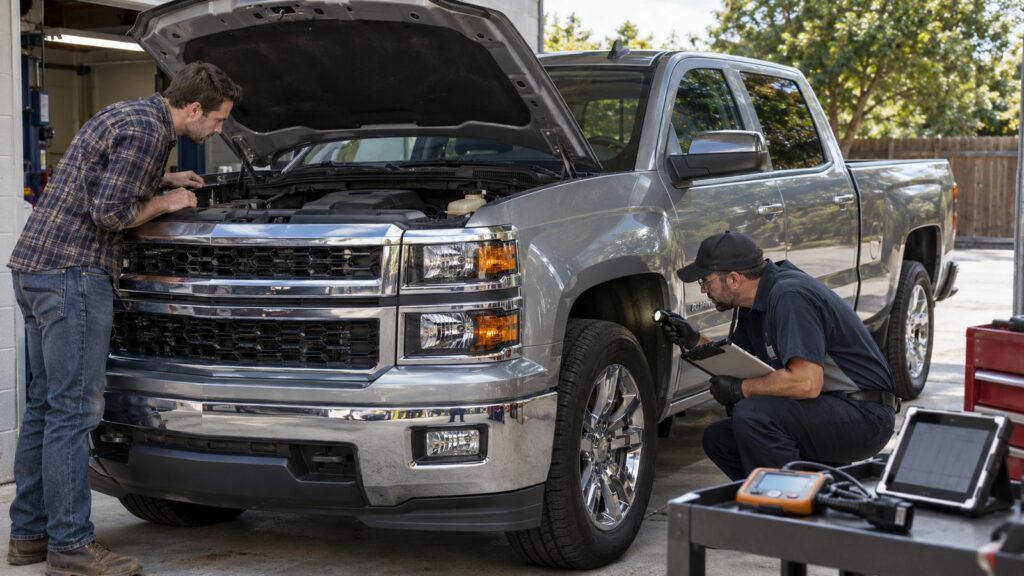
The K2XX generation brought updated styling, a more modern cabin, and the EcoTec3 engine family. Its available engines included a 4.3L V6, 5.3L V8, and 6.2L V8. These trucks can offer a good combination of comfort and capability. Nevertheless, CarGurus identifies the 2014–2019 model-year range as its generation to avoid, citing eight-speed automatic transmission shifting problems reported through CarComplaints. That assessment deserves context because not every truck uses the same transmission. The 2015 Silverado with the 5.3L V8 and six-speed automatic is an exception CarGurus identifies as worth considering. Strengths
- More contemporary cabin and equipment.
- Strong EcoTec3 engine options.
- Useful towing and hauling configurations.
- Improved everyday comfort.
- More modern features than GMT900 trucks.
Watch-outs Pay close attention to transmission behavior during a test drive. Look for shuddering, harsh shifts, delayed engagement, or inconsistent acceleration. An eight-speed-equipped truck deserves particular scrutiny, including a review of its transmission service history. The 5.3L V8 also uses cylinder deactivation technology. AFM-related lifter problems can affect certain engines, so investigate ticking noises, misfires, and previous camshaft or lifter repairs. Buying recommendation: The 2015 5.3L V8 with the six-speed automatic is worth putting on your shortlist. Treat other K2XX configurations individually, especially those with eight-speed transmission complaints or incomplete maintenance records.
4. T1XX (2019 to Present): Modern Features and Engine-Specific Risks
The T1XX generation arrived for the 2019 model year with a redesigned cabin, updated technology, and additional powertrain choices. Depending on the model year, buyers can find a 2.7L turbocharged four-cylinder, 3.0L Duramax diesel, 5.3L V8, or 6.2L V8. These trucks appeal to buyers who prioritize modern comfort, connectivity, and available driver-assistance features. Their newer construction doesn’t eliminate the need for careful mechanical checks. Strengths
- More modern interior and infotainment options.
- Multiple engine choices.
- Available diesel powertrain.
- Updated towing technology.
- Modern safety and convenience equipment.
Watch-outs CarGurus identifies 2019 and 2020 as model years drawing the most complaints in the CarComplaints data it reviewed. Emerging 5.3L V8 valve-lifter concerns add another reason to investigate maintenance records. The AFM lifter issue affects some V8 engines, rather than every Silverado configuration. Listen for ticking, rough idling, misfires, and warning lights. Ask whether previous owners replaced lifters, camshafts, or related components. There is also a separate safety concern involving certain 6.2L L87 V8 engines. GM recalled certain 2021–2024 Silverado 1500 trucks because connecting rod and crankshaft components could contain manufacturing defects. These defects can cause engine damage or failure. Check recall eligibility using the VIN, rather than assuming every truck with a 6.2L engine is affected. A dealer should verify the recall status and complete any required inspection or repair. Buying recommendation: Consider T1XX trucks when you want modern equipment, but verify the specific engine, transmission, service history, and recall status. A newer model year alone doesn’t establish better reliability.
Which Silverado Years Should You Approach With Caution?
The following distinctions reflect attributed reporting and documented concerns, not a claim that every truck will experience the same failure.
| Model years | Reason for additional caution | What buyers should investigate |
|---|---|---|
| 2007–2013 | CarComplaints reports excessive oil consumption as a common issue; CarGurus still recommends this generation overall | Oil usage, AFM history, engine maintenance |
| 2014–2018 | CarGurus flags the broader generation for transmission concerns | Transmission type, shudder, shifting history |
| 2015 | CarGurus makes an exception for the 5.3L V8 with six-speed automatic | Confirm the actual engine and transmission |
| 2019–2020 | CarGurus cites complaint volume and emerging 5.3L lifter concerns | Misfires, ticking, lifter repairs |
| 2021–2024 | Certain 6.2L L87-equipped trucks were subject to GM’s connecting rod and crankshaft recall | VIN eligibility and completed recall work |
Complaint websites collect owner reports, not controlled reliability tests. Their data can help identify patterns, but it cannot predict the condition of an individual vehicle.
Used Silverado 1500 Buying Checklist
Before committing to a used truck, work through these six checks. They can help uncover expensive problems that a short test drive might miss.
1. Check the VIN for Open Recalls
Go to nhtsa.gov/recalls and enter the truck’s 17-character VIN. Review outstanding safety campaigns and ask the seller for documentation of completed recall repairs. For 2021–2024 trucks equipped with the 6.2L L87 V8, ask an authorized Chevrolet dealer to confirm the applicable engine recall status. Have the dealer check for diagnostic trouble code P0016 and follow the applicable manufacturer inspection procedure.
2. Review Service Records
Look for consistent oil changes, scheduled maintenance, and documented repairs. Pay particular attention to previous transmission work, engine repairs, and lifter replacements. A seller’s verbal assurance isn’t a substitute for invoices. Ask for records showing what was repaired, when the work occurred, and which parts were installed.
3. Inspect Transmission Fluid and Shifting
Check the transmission service history and fluid condition using the manufacturer’s recommended procedure. A mechanic should investigate unusual fluid appearance, burning smells, leaks, or evidence of neglected maintenance. During the test drive, check for delayed engagement, harsh shifts, slipping, and vibration. Test the truck both when cold and after it reaches normal operating temperature.
4. Inspect the Frame and Body for Rust
Rust can be a serious concern, especially on trucks driven in areas that use road salt. Inspect these areas carefully:
- Frame rails and crossmembers.
- Rocker panels and cab corners.
- Brake lines and fuel lines.
- Suspension mounting points.
- Bed supports and wheel arches.
Surface corrosion and structural rust aren’t the same problem. Have a qualified mechanic assess suspicious areas before purchasing.
5. Test the Four-Wheel-Drive System
If you’re buying a 4WD model, test its available drive modes according to the owner’s manual. Check for warning lights, unusual noises, binding, and difficulty engaging or disengaging the system. Also inspect the transfer case, front differential, and related components for leaks. Confirm that the tires are properly matched and that the system operates as intended.
6. Arrange a Professional Pre-Purchase Inspection
An independent mechanic can inspect the engine, transmission, suspension, brakes, electrical systems, and underbody. Request a diagnostic scan, including stored trouble codes that might not currently illuminate the dashboard. For V8 models with AFM, ask the mechanic to investigate possible lifter symptoms. A thorough inspection can reveal concerns that an ordinary walkaround or seller-provided report might overlook.
Frequently Asked Questions
What are the best chevy silverado years to buy used?
The 2007–2013 GMT900 generation is a strong starting point, according to CarGurus. Look for documented maintenance, particularly regarding oil consumption on affected V8 engines. The 2015 5.3L V8 with the six-speed automatic is another configuration worth investigating.
Which Silverado generation is the most reliable?
There isn’t one universally reliable generation or engine combination. CarGurus recommends GMT900 for capability, reliability, and simplicity, but its recommendation doesn’t eliminate known oil-consumption concerns. Maintenance history and individual vehicle condition remain essential.
Which Silverado years should buyers approach cautiously?
CarGurus identifies 2014–2019 as a generation to avoid because of reported eight-speed automatic shifting concerns. It also highlights complaint volume involving 2019 and 2020 models. Buyers should investigate the specific engine and transmission rather than automatically rejecting every truck in those years.
Is the 5.3L V8 Silverado a good engine?
The 5.3L V8 offers useful power for everyday driving, towing, and hauling. However, certain AFM-equipped engines have documented oil-consumption and lifter concerns. Check for ticking noises, misfires, oil usage, and previous engine repairs.
Should you avoid a 6.2L Silverado?
Not automatically. The 6.2L L87 V8 was involved in a GM recall covering certain 2021–2024 vehicles because of connecting rod and crankshaft manufacturing defects. Check the VIN and obtain dealer confirmation before purchasing an affected vehicle.
What should you check before buying a used Silverado?
Start with the VIN recall check, maintenance records, engine condition, and transmission behavior. Inspect the frame, brake lines, rocker panels, and cab corners for corrosion. Complete a four-wheel-drive test where applicable and arrange an independent pre-purchase inspection.
Final Verdict: Choose the Individual Truck, Not Just the Year
The GMT900 generation deserves attention if you want traditional capability and a relatively straightforward mechanical package. The 2015 5.3L V8 with the six-speed automatic is another configuration worth investigating. Buyers seeking newer technology can consider T1XX models, provided they verify engine history and applicable recalls. Don’t purchase based on model-year reputation alone. Compare service records, inspect the drivetrain, and confirm recall completion before negotiating. A well-maintained truck with a clean inspection is a better choice than a neglected example from a supposedly desirable year. Your next step: Shortlist two or three trucks, collect their VINs and maintenance records, and arrange independent inspections before making an offer. You can find more car guides on the GetGoodRead homepage. —

