
Disbarment removes a lawyer’s authority to practice law in the jurisdiction that imposed the sanction. It is usually reserved for serious professional misconduct and is generally the harshest form of attorney discipline. The exact rules, procedures, and consequences vary among states and courts.
Direct answer: Disbarment is the removal of a lawyer’s authority to practice law in a jurisdiction, usually after serious professional misconduct. It is generally the harshest form of attorney discipline. The exact grounds, procedure, and path to readmission depend on the state, court, or licensing authority that controls the lawyer’s license.
| Key point | What it means |
|---|---|
| Main consequence | The lawyer loses authority to practice in the affected jurisdiction |
| Who imposes it | Usually a court or attorney disciplinary authority under local rules |
| Common grounds | Serious dishonesty, fraud, misuse of client funds, criminal conduct, or repeated ethical violations |
| Suspension difference | Suspension removes practice rights temporarily, while disbarment is more severe |
| Other jurisdictions | Discipline can trigger separate reciprocal proceedings elsewhere |
| Reinstatement | Possible in some jurisdictions after strict requirements and waiting periods |
| Public records | Final public discipline is commonly available through attorney-regulation authorities |
Key Takeaways
- Attorney discipline exists to protect clients, courts, and the legal profession.
- Serious dishonesty, fraud, theft, or repeated ethical violations can support severe sanctions.
- A complaint against a lawyer does not automatically lead to discipline.
- A formal investigation and adjudicative process usually comes before a final sanction.
- A lawyer who loses a license must stop practicing in the affected jurisdiction.
- Discipline in one jurisdiction can cause reciprocal proceedings in another.
- Readmission rules differ considerably among states and courts.
- Consumers should verify lawyer status through the appropriate official licensing authority.
What Does Disbarment Mean in U.S. Law?
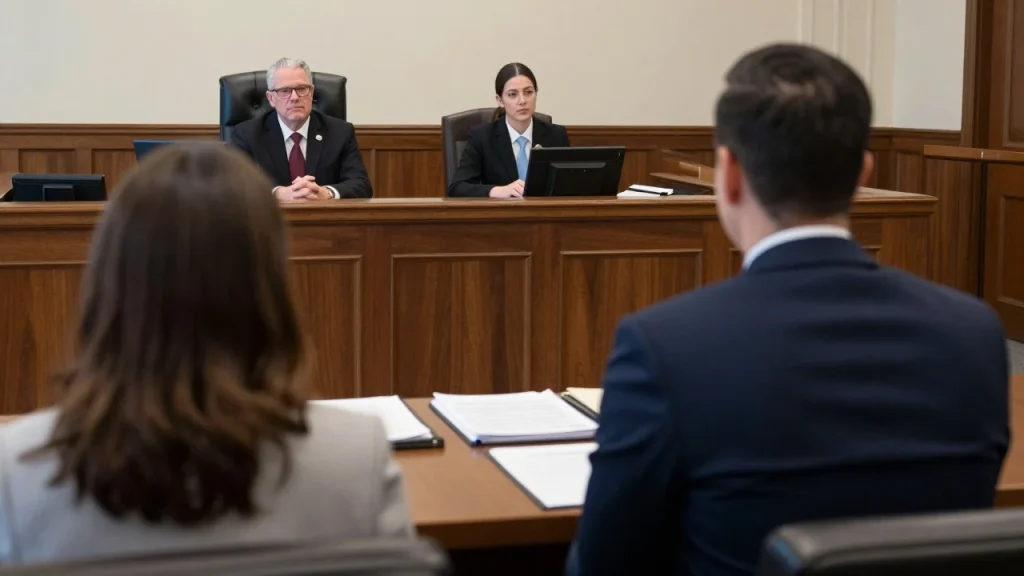
The term describes the loss of a lawyer’s legal authority to practice before a particular jurisdiction or court. Cornell Law School’s Legal Information Institute reports that it is the most severe sanction for attorney misconduct, ranking above the 3 lesser options of suspension, probation, and reprimand. Courts hold the authority to grant a law license, so they also control its removal.
The result should not be confused with losing a private job at a law firm. A firm can fire an attorney without affecting the person’s law license. Professional discipline affects the legal authorization to work as a lawyer.
State rules also use different terminology and procedures. California, for example, defines the sanction as termination from practice and removal from the roll of attorneys. Readers can find other plain-English legal topics in GetGoodRead’s Law section.
What Can Cause Disbarment?
Not every mistake or ethics violation produces the profession’s harshest penalty. Disciplinary bodies consider the nature of the misconduct, the lawyer’s mental state, resulting harm, and aggravating or mitigating factors. The appropriate result therefore depends heavily on the facts.
ABA Model Rule 8.4 identifies several broad forms of professional misconduct. These include dishonest or fraudulent conduct and certain criminal acts affecting fitness to practice. Conduct prejudicial to the administration of justice can also violate the rule.
Serious cases may involve conduct such as the following.
- stealing or intentionally misusing client money.
- fraud, deceit, or material misrepresentation.
- serious criminal conduct connected with honesty or professional fitness.
- repeated neglect that causes significant client harm.
- deliberately violating court or disciplinary orders.
- practicing while prohibited from doing so.
- repeated ethical violations showing a pattern of misconduct.
Context matters because the same broad violation can produce different sanctions. Intentional misuse of client funds presents different concerns from an isolated bookkeeping mistake corrected promptly. The ABA sanction framework specifically considers intent, injury, duties violated, and mitigating circumstances.
How the Attorney Discipline Process Usually Works
A grievance does not mean that a lawyer will lose a license. Disciplinary authorities first determine whether allegations fall within their jurisdiction and could constitute misconduct. Matters lacking sufficient grounds can be dismissed without severe discipline.
A general disciplinary process may include these stages:
- A complaint or other information reaches disciplinary counsel. The agency reviews the allegations and determines whether further investigation is justified.
- Investigators gather relevant evidence. Records, communications, financial information, court documents, and witness statements can become important.
- The lawyer receives an opportunity to respond. Procedures vary, but formal cases normally provide notice of the allegations and a chance to answer.
- Formal charges may be filed. Serious matters can proceed to a hearing or another adjudicative stage.
- The evidence and applicable ethics rules are evaluated. The decision-maker determines whether misconduct occurred and what sanction fits.
- A final disciplinary order is entered. Possible outcomes can include dismissal, reprimand, probation, suspension, or removal from practice.
An allegation that cannot be proven should not be treated as established misconduct. GetGoodRead’s guide to unfounded reports and investigative findings explains why an allegation and a supported finding are different. That distinction matters in professional discipline as much as it does elsewhere.
Evidence in disciplinary cases can also include sworn statements. Anyone unfamiliar with that terminology can review GetGoodRead’s explanation of the affiant and sworn affidavit process. The controlling disciplinary rules still determine what evidence is admissible and persuasive.
What Happens After a Lawyer Is Disbarred?
The lawyer generally must stop practicing law once the order becomes effective. The person cannot accept new legal matters or hold themselves out as authorized to practice in the affected jurisdiction. Local rules control the precise effective date and required steps.
Client protection becomes an immediate concern. The ABA’s model enforcement rules call for notices to clients, co-counsel, and opposing counsel in covered cases. They also address returning client property, refunding unearned fees, and withdrawing from pending representations.
Those duties help prevent disciplinary action from harming existing clients. Deadlines, hearings, negotiations, and filing obligations may continue despite the lawyer’s inability to act. Clients should quickly confirm who will handle each active matter.
Disbarment vs. Suspension
| Issue | Disbarment | Suspension |
|---|---|---|
| Severity | Generally the most serious sanction | Less severe than removal from practice |
| Ability to practice | Prohibited in the affected jurisdiction | Prohibited during the suspension |
| Duration | Can be indefinite or subject to readmission rules | Usually tied to a defined period or conditions |
| Return to practice | Often requires a formal readmission process | May involve reinstatement after conditions are met |
| Public record | Generally public | Generally public when formally imposed |
A suspension and permanent removal should not be treated as interchangeable terms. Suspension generally contemplates a period during which the lawyer cannot practice. Readmission after the more serious sanction can require a fresh showing of professional fitness.
Exact rules still depend on the licensing authority. Arizona, for example, allows a disbarred attorney to seek reinstatement after five years under its disciplinary system. New York’s Second Judicial Department describes a seven-year waiting period for certain applications following removal.
Does Losing a License in One State Affect Other States?
A lawyer can hold licenses in several jurisdictions, so one disciplinary order raises another important question. Losing practice rights in one place does not always erase every other admission instantly. Other licensing authorities can begin reciprocal disciplinary proceedings after learning about the original order.
The ABA model framework generally favors corresponding discipline unless specified exceptions apply. Those exceptions can involve serious procedural problems, weak proof, grave injustice, or conflicting public policy. The second jurisdiction therefore has its own role rather than mechanically copying every order.
Federal courts can also control membership in their own bars. A state disciplinary order can prompt federal action, but applicable federal court rules govern the result. Lawyers admitted in several places must therefore examine each admission separately.
Can a Disbarred Lawyer Ever Practice Again?
Sometimes, but there is no single national reinstatement rule. The ABA model framework provides for readmission petitions after a five-year period. A court can require proof of rehabilitation, competence, compliance, and professional fitness before allowing a return.
Individual jurisdictions can impose different waiting periods and requirements. Some require hearings, continuing legal education, character evidence, examinations, or proof that prior obligations were satisfied. Meeting the minimum waiting period does not guarantee approval. More from us: What Happens If You Break a Lease.
A successful return also may not restore every former admission automatically. Other state, federal, or administrative bars can have separate reinstatement procedures. A lawyer must confirm authority to practice before handling legal work again.
How Can You Check Whether a Lawyer Has Been Disciplined?
Start with the official attorney-regulation website for the state where the lawyer claims to practice. Search by the lawyer’s name and review current license status, public orders, and disciplinary history. Check another jurisdiction separately when the lawyer holds multiple admissions.
The American Bar Association also maintains the National Lawyer Regulatory Data Bank. It receives information about public regulatory actions from U.S. jurisdictions and can conduct name searches upon request. The ABA recommends beginning with the state where the lawyer is known to be licensed.
A practical status check should answer four questions:
- Is the lawyer currently authorized to practice?
- Has a public disciplinary order been entered?
- Does the order identify a suspension, removal, or another sanction?
- Is the lawyer licensed in another jurisdiction that should also be checked?
Do not rely only on a law firm website or an old professional profile. License status can change after those pages were published. Official court or attorney-regulation records provide a stronger source.
What Clients Should Do After Their Lawyer Loses Practice Rights
A client with an active case should first obtain the disciplinary order and any notice from the lawyer. Next, identify every upcoming deadline, hearing, filing, payment, or settlement decision. Important dates should not be ignored while replacement counsel is being arranged.
Clients should also request their files and any property they are entitled to receive. Questions about unearned fees or trust funds should be addressed through the applicable disciplinary and client-protection procedures. Urgent matters may require advice from another licensed attorney.
For broader explanations of U.S. court procedures and legal terminology, visit GetGoodRead’s legal guides and law articles. General online information cannot replace advice about a specific disciplinary case. State and court rules should always be checked directly.
Frequently Asked Questions
Is disbarment permanent?
It can be permanent, but the answer depends on the jurisdiction. Some systems provide a route to readmission after a waiting period and proof of rehabilitation. Others impose stricter rules or different conditions for returning to practice.
Is a disbarred lawyer still legally considered an attorney?
The person may retain a legal education and professional history, but cannot practice where the license has been removed. The person also cannot represent themselves as currently authorized when local rules prohibit that representation. Exact terminology depends on the jurisdiction and disciplinary order.
Can a lawyer be disciplined without committing a crime?
Yes, because professional discipline and criminal prosecution are separate systems. Ethical violations can justify sanctions even when no criminal conviction exists. Dishonesty, client-fund violations, or serious breaches of professional duties can create disciplinary exposure.
Does every complaint against a lawyer become public?
No, because complaint procedures and confidentiality rules differ by jurisdiction. Some matters remain private unless formal charges or public discipline occur. Readers should check the rules of the disciplinary authority handling the complaint.
Can a lawyer keep working while appealing a disciplinary decision?
That depends on whether the governing rules or court order stays the discipline during review. Some orders can become effective despite further appellate options. The actual order and applicable procedural rules provide the controlling answer.
Bottom Line
Losing a law license is one of the most serious consequences a legal professional can face. The sanction normally follows significant misconduct rather than an ordinary disagreement or minor mistake. Yet the grounds, procedures, and possibility of returning to practice differ across American jurisdictions.
Anyone researching a particular lawyer should use official state or court records rather than assumptions. Clients affected by a disciplinary order should protect files, deadlines, money, and pending cases promptly. Specific questions about rights or obligations should go to a qualified lawyer in the relevant jurisdiction.

